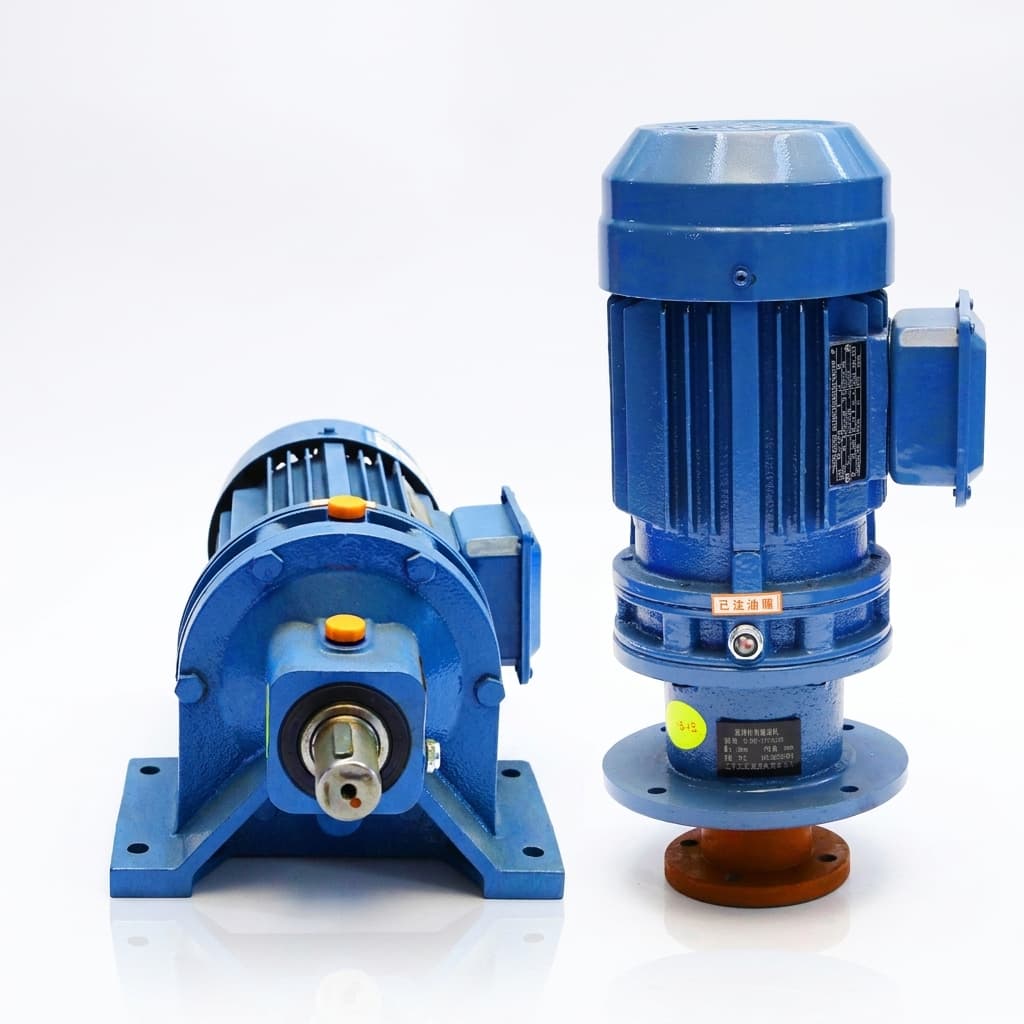
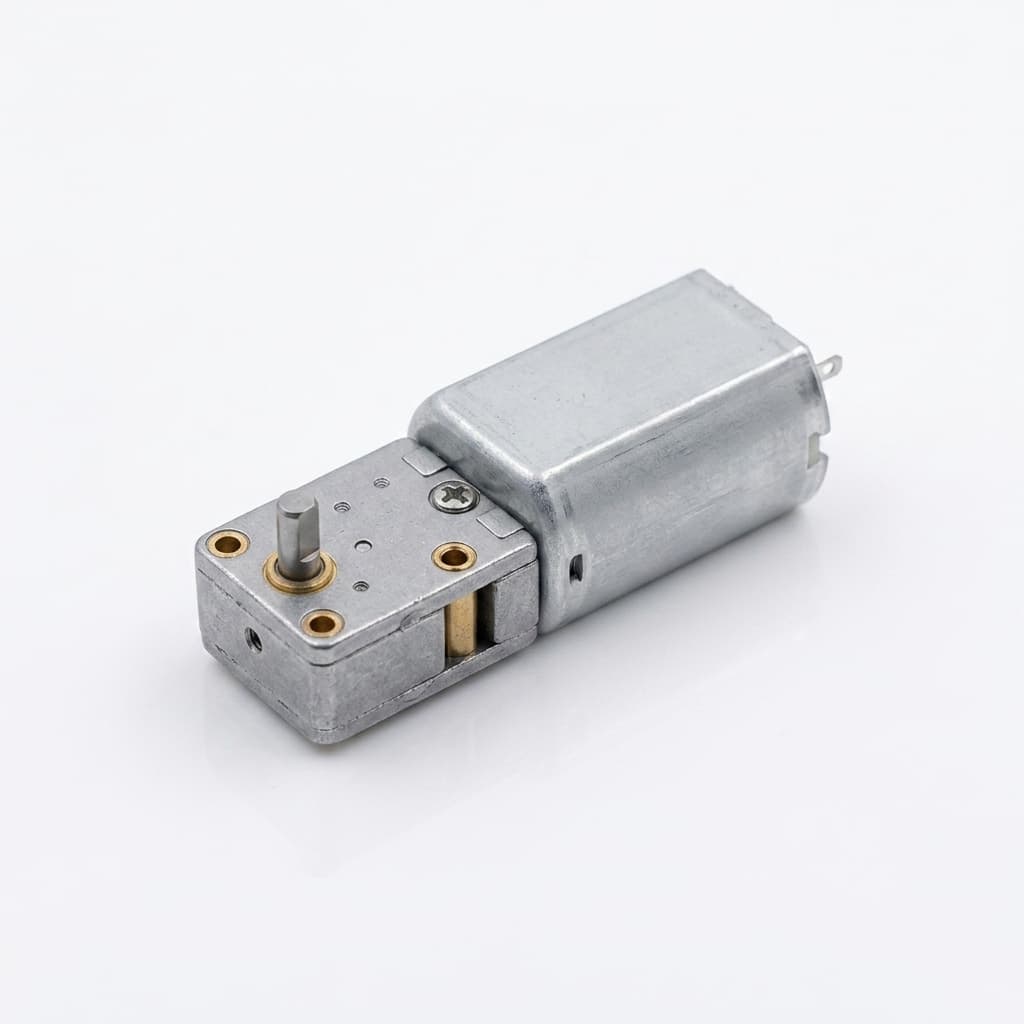
For decades, the planetary gear motor industry has relied on a quiet, invisible crutch to solve its most difficult engineering challenges: Per- and polyfluoroalkyl substances, commonly known as PFAS. When a gearbox needed to survive 150°C continuous operation, we specified FKM seals. When the planetary gear stages faced extreme sliding friction that would break down standard synthetic hydrocarbons, we added PTFE thickeners or used PFPE base oils.
Now, the regulatory landscape is tightening. With the European Chemicals Agency (ECHA) advancing a universal restriction proposal covering over 10,000 PFAS substances under the REACH regulation, the "forever chemicals" that made high-performance gear motors reliable are moving through a formal restriction process rather than remaining a distant sustainability preference.
For OEM procurement teams, distributors, and design engineers, this is no longer a distant environmental policy issue. Relying on legacy prints and outdated BOMs (Bill of Materials) can create supply chain obsolescence, production halts, and non-compliance exposure in the global market.
This guide provides a granular, no-nonsense blueprint for identifying where PFAS hides in your planetary gear motors, understanding the regulatory timeline, evaluating the engineering trade-offs of PFAS-free alternatives, and auditing your suppliers to ensure a seamless transition.
Scope note (last reviewed July 18, 2026): This guide is for global OEM and distributor sourcing teams with EU/EEA market exposure. The EU PFAS restriction was still under review at the time of writing; exact derogations, transition dates, and enforcement evidence can change. Treat this as engineering and procurement guidance, not legal advice, and verify the latest ECHA dossier before freezing a supplier specification.
If you need a fast check on a motor BOM, seal callout, lubricant SDS, or RFQ packet, send the specification pack to our engineering team before supplier nomination.
Where Do "Forever Chemicals" Hide in a Planetary Gear Motor?
PFAS are prized for their unparalleled chemical stability, extreme temperature resistance, and extremely low coefficient of friction. Because a planetary gear motor is a densely packed assembly of moving parts, thermal bottlenecks, and lubrication zones, PFAS have historically been utilized throughout the entire unit.
To effectively audit your supplier, you must know exactly where to look. PFAS are not usually listed as a top-level material on a spec sheet; they are embedded in sub-components.
1. Rotary Shaft Seals and O-Rings
The most critical failure point of any IP67 or IP68 gear motor is the output shaft seal. To prevent water, dust, and chemicals from entering the gearbox, and to keep the lubricant inside, manufacturers rely heavily on fluoropolymers.
- FKM (Fluoroelastomers): Widely known by the brand name Viton™, FKM is the industry standard for high-temperature and chemical-resistant rotary lip seals.
- FFKM (Perfluoroelastomers): Used in extreme environments (like chemical dosing pumps or aerospace actuators), offering even higher thermal stability.
- PTFE (Polytetrafluoroethylene): Often used for dynamic lip seals where low breakout friction is required to prevent "stick-slip" at low RPMs.
2. Gear Lubricants and Greases
Inside the planetary gearbox, the sun gear, planet gears, and ring gear experience intense sliding and rolling friction.
- PTFE Thickeners: Many high-performance lithium or polyurea greases add microscopic PTFE particles to provide boundary lubrication. When the oil film breaks down under heavy load, the PTFE particles prevent metal-to-metal welding.
- PFPE (Perfluoropolyether) Oils: In applications requiring vacuum compatibility, extreme cold (-80°C), or high heat (250°C+), PFPE base oils are used. They are highly stable but are entirely composed of PFAS.
3. Electrical and Motor Components
The electric motor itself is not immune to PFAS usage.
- Wire Insulation: PTFE is frequently used to insulate phase wires in BLDC motors designed for high-temperature environments.
- Conformal Coatings: For gear motors with integrated drive electronics (such as smart AGV wheels), the PCBA is often coated with fluorinated polymers to achieve IP67 moisture resistance without a heavy potting compound.
Visualizing the Risk: PFAS Zones in a Gear Motor
The following diagram illustrates the typical high-risk zones where PFAS materials are engineered into a standard IP67 planetary gear motor.
The Regulatory Timeline: Why Sourcing Cannot Wait
The ECHA restriction proposal is moving aggressively. While final adoption dates and specific enforcement timelines are still being negotiated by the European Commission, the trajectory is clear.
One of the most dangerous misconceptions in procurement is the reliance on Time-Limited Derogations. Regulators recognize that replacing an FKM seal in a heavy-duty industrial gearbox is harder than replacing a chemical in a frying pan coating. Therefore, certain industrial sealing and lubrication applications may receive derogations (exemptions) lasting between 5 to 13.5 years.
Why is this a trap?
- Supply Chain Attrition: Even if your specific gear motor application gets a 13.5-year derogation, the chemical manufacturers producing the raw FKM or PFPE may simply shut down their production lines early due to liability, plummeting global demand, and reputational risk. If the raw material disappears in 3 years, your 13-year derogation is useless.
- Validation Lead Times: Qualifying a new gear motor takes time. Replacing a seal or a lubricant requires rigorous accelerated life testing, thermal cycling, and field validation. This process can take 12 to 24 months. Waiting until the ban takes effect means halting your own production.
Comparing PFAS Components vs. Emerging Alternatives
To successfully source PFAS-free gear motors, engineering and procurement teams must align on the available alternatives and accept the inevitable performance trade-offs.
| Component / Function | Legacy PFAS Solution | Emerging PFAS-Free Alternative | Engineering Trade-off & Impact |
|---|---|---|---|
| High-Temp Shaft Seal | FKM (Viton™) / FFKM | Advanced EPDM or HNBR | Temperature limit drops from ~200°C to ~150°C. Requires better motor thermal management. |
| Low-Friction Lip Seal | PTFE Lip Seal | NBR with Diamond-Like Carbon (DLC) coating on shaft | Slightly higher breakout friction; higher machining cost for the shaft coating. |
| Heavy-Duty Gear Grease | PFPE base oil or Lithium + PTFE | Calcium Sulfonate Complex with Solid Lubricants (MoS₂, Graphite) | Lower extreme-temperature threshold; may require slightly larger gear margins to handle friction. |
| Motor Phase Wiring | PTFE (Teflon) Insulation | Cross-linked Polyethylene (XLPE) or Silicone | Slightly thicker wire jackets; may require a lower continuous current rating to prevent melting. |
| Integrated Drive PCBA | Fluorinated Conformal Coating | Polyurethane (UR) or Acrylic (AR) Coatings | Thicker application required for the same IP rating; slightly inferior moisture vapor transmission rates. |
| O-Rings for IP67 Casing | FKM O-Rings | Silicone or EPDM O-Rings | Silicone has lower tear strength (assembly risk); EPDM is incompatible with petroleum-based oils. |
The OEM Procurement & Supplier Qualification Checklist
Transitioning away from PFAS requires rigorous supplier management. You cannot simply ask a vendor, "Are your motors PFAS-free?" You will likely get a poorly researched "Yes" that falls apart during customs audits.
Use this checklist to audit your planetary gear motor suppliers:
- Demand Full Material Disclosure (FMD): Do not accept a generic RoHS/REACH certificate. Demand an FMD down to the CAS (Chemical Abstracts Service) number level for all polymers, elastomers, and lubricants.
- Audit the Lubricant BOM: Explicitly ask the supplier to state the brand, model, and chemical base of the gearbox grease. Check this against known PFAS databases.
- Verify Seal Material Specs: If a supplier claims an IP67 rating with a 150°C operating temperature, cross-examine the seal material. If they are not using FKM, what are they using? If it's HNBR, ensure your duty cycle won't exceed its limits.
- Require Re-Validation Testing Reports: If a supplier has switched from a PTFE-thickened grease to a PFAS-free alternative, demand to see the comparative life-cycle testing data. The new grease will behave differently under load.
- Assess Motor Thermal Derating: Because PFAS-free seals and wire insulations generally have lower thermal boundaries, require the supplier to provide an updated continuous torque and thermal derating curve.
- Check Secondary Sub-tier Suppliers: Your motor assembler might not use PFAS, but their bearing supplier might use PFPE grease inside the sealed ball bearings. Ensure the audit extends to sub-tier bearing and brake manufacturers.
- Update Your RFQ Templates: Embed PFAS-free requirements directly into the first page of your RFQ documents. Make it clear that proposals utilizing FKM or PTFE will be disqualified.
For the commercial packet, pair this audit with a structured planetary gear motor RFQ template so material disclosure, test evidence, and re-validation responsibilities are captured before price negotiation.
Engineering Trade-offs: What You Lose When You Drop PFAS
Dropping PFAS is not a 1:1 substitution; it requires systemic engineering compromises.
1. Thermal Margins Will Shrink FKM seals and PTFE lubricants provide a massive margin of error for thermal management. If an AGV drivetrain unexpectedly spikes to 180°C due to overloading, an FKM seal will survive. An HNBR seal might harden, crack, and fail catastrophically, leaking oil onto the factory floor. Engineers must size motors more conservatively and improve external heat sinking.
2. Friction and Efficiency Drops PTFE additives in grease are practically magic for reducing sliding friction in the first stage of a planetary gearbox. Replacing them with molybdenum disulfide (MoS₂) or polarized particle technologies is effective, but often results in a marginal increase in gearbox running temperature and a slight drop in overall mechanical efficiency (e.g., from 90% to 87%). Battery-powered robotic OEMs must account for this increased power draw.
3. Redesigning the Seal Interface Instead of relying on the chemical properties of a lip seal to survive harsh environments, engineers may need to move toward mechanical solutions. This includes utilizing labyrinth seals, V-rings, or magnetic liquid seals (ferrofluidic) which rely on physics rather than fluoropolymers to keep contaminants out.
If the PFAS-free redesign changes grease drag or allowable case temperature, revisit the gear ratio and torque margin instead of treating the seal as an isolated part swap. For AGV programs, start with the duty-cycle method in our planetary gear ratio selection guide.
FAQ
Are there any planetary gear motors that are naturally PFAS-free?
Standard brushed DC gear motors using basic NBR (Nitrile) seals and standard lithium-based greases are often already PFAS-free. However, high-performance, high-torque, IP67-rated, or extreme-temperature models almost universally utilize PFAS.
Will PFAS-free gear motors cost more?
In the short term, yes. While the raw materials for PFAS-free alternatives (like EPDM or NBR) are cheaper than FKM, the R&D costs for suppliers to re-validate their gearboxes and the potential need to use advanced coatings (like DLC on shafts) will drive up initial OEM pricing.
Can we retrofit existing motors with PFAS-free seals and grease?
Rarely. Changing the grease requires completely cleaning the gearbox, as mixing different base oils can cause catastrophic sludge formation. Changing a seal from FKM to NBR may require a different shaft surface finish or a different interference fit due to differing elastomer swell characteristics.
Does the PFAS ban affect the metal gears themselves?
No, the metal components (steel, brass, powder metallurgy) are not affected. However, if the gears undergo certain anti-corrosion or friction-reducing chemical coatings, those specific coating processes must be audited for fluoropolymers.
How does this impact CE marking and Machinery Regulation compliance?
As the REACH restriction goes into effect, placing a non-compliant product on the EU market will violate CE marking requirements. This will restrict your ability to import machinery into the European Economic Area (EEA), regardless of where the gear motor was manufactured.
Sources and Regulatory References
To stay updated on the latest compliance timelines and technical alternatives, consult the following primary sources:
- ECHA - Per- and Polyfluoroalkyl Substances (PFAS) Restriction Proposal - The central hub for the EU's regulatory timeline and annex documents.
- U.S. EPA - PFAS Explained - Background on PFAS persistence, exposure concerns, and why material disclosure matters.
- OECD - PFAS topic portal - International context for PFAS terminology, policy coordination, and chemical-scope discussions.
Public regulatory sources cannot certify a specific motor BOM. For each supplier quote, request the seal compound data sheet, grease SDS, wire insulation material, conformal coating chemistry, and any sub-tier bearing grease declaration before accepting a PFAS-free claim.
Take Action on Your Supply Chain
Transitioning to PFAS-free planetary gear motors is a complex engineering challenge that cannot be solved with a simple part number swap. It requires a fundamental review of torque loads, thermal boundaries, and sealing technologies.
If you are an OEM designing equipment for the EU market in 2026 and beyond, you must act now. Review your BOMs, challenge your current suppliers, and begin validating PFAS-free drivetrains immediately. Need help identifying the hidden chemical risks in your current motor specs? Contact our engineering team today for a comprehensive BOM audit and PFAS-free motor sizing consultation.
For a direct supplier-file review, email [email protected] or WhatsApp +8618857971991 with the motor BOM, seal materials, grease specification, and target sales regions.