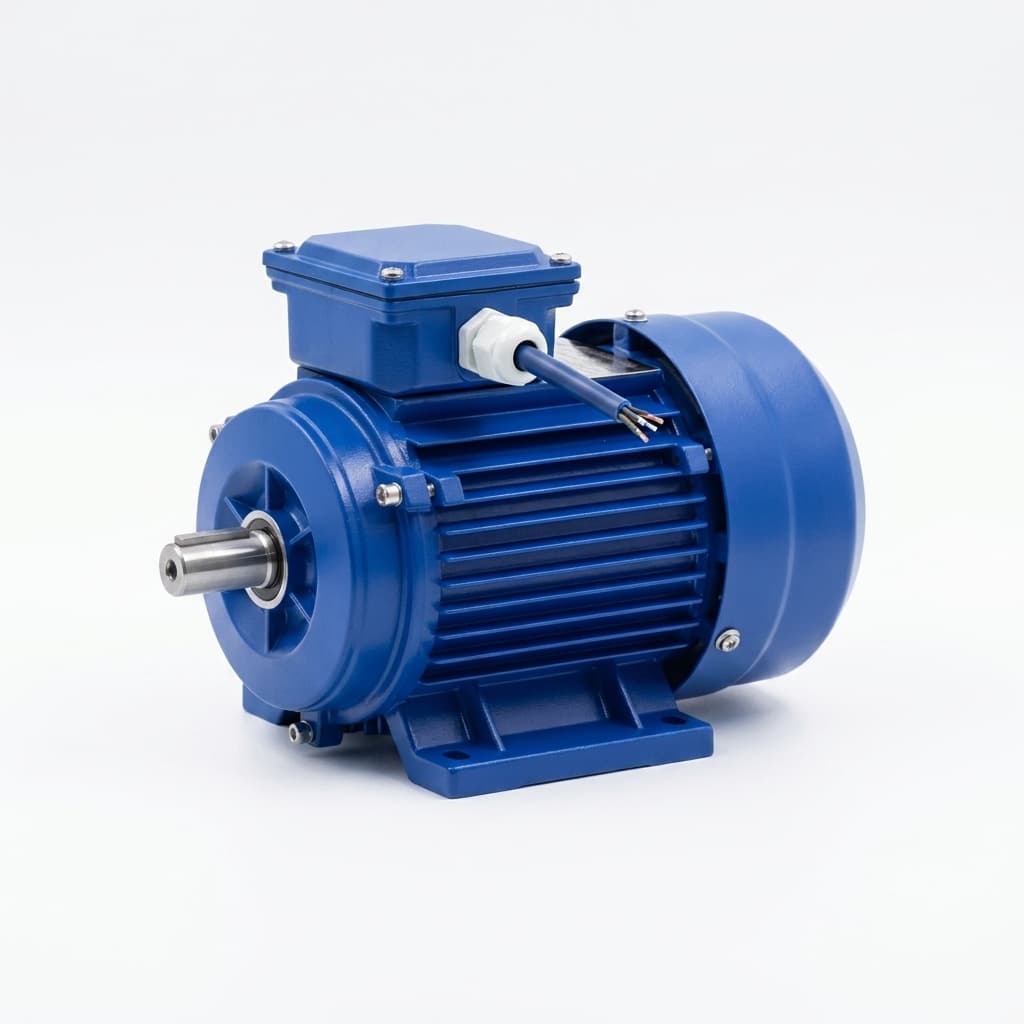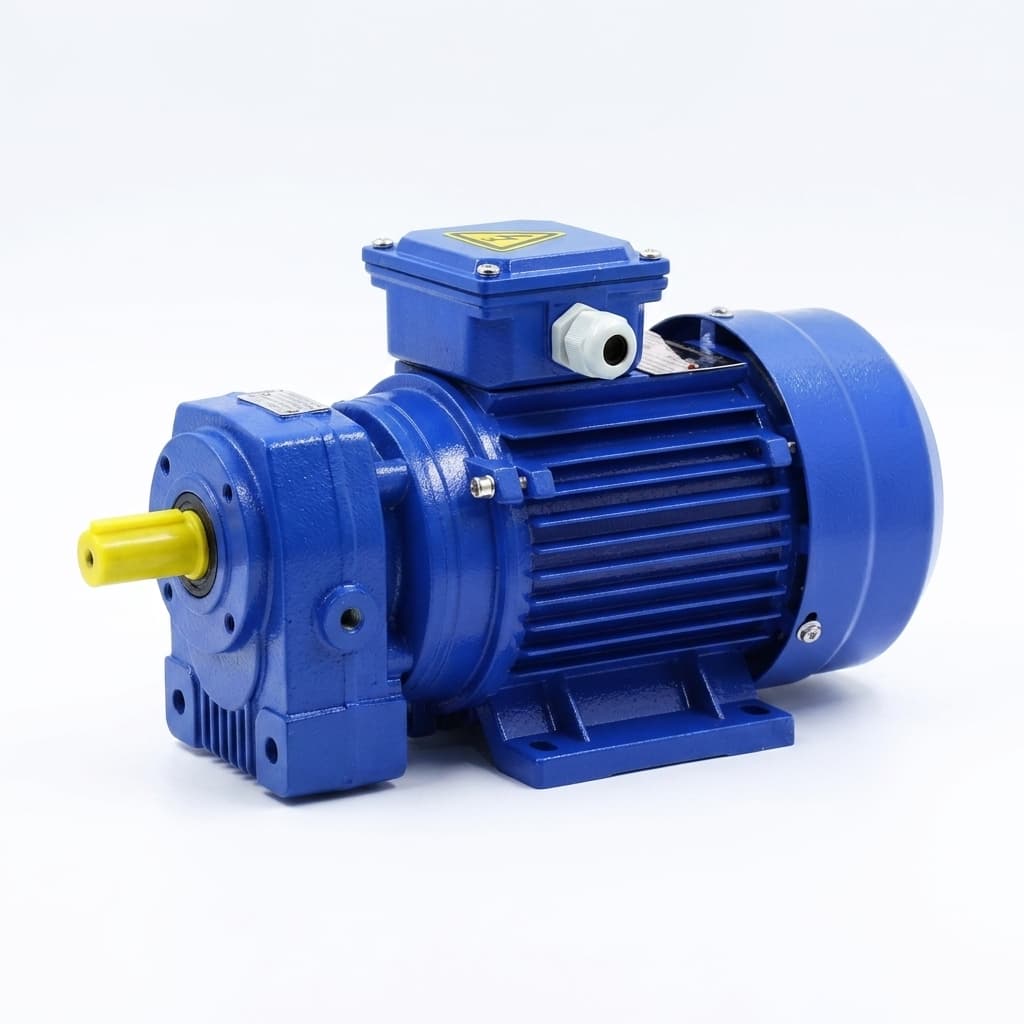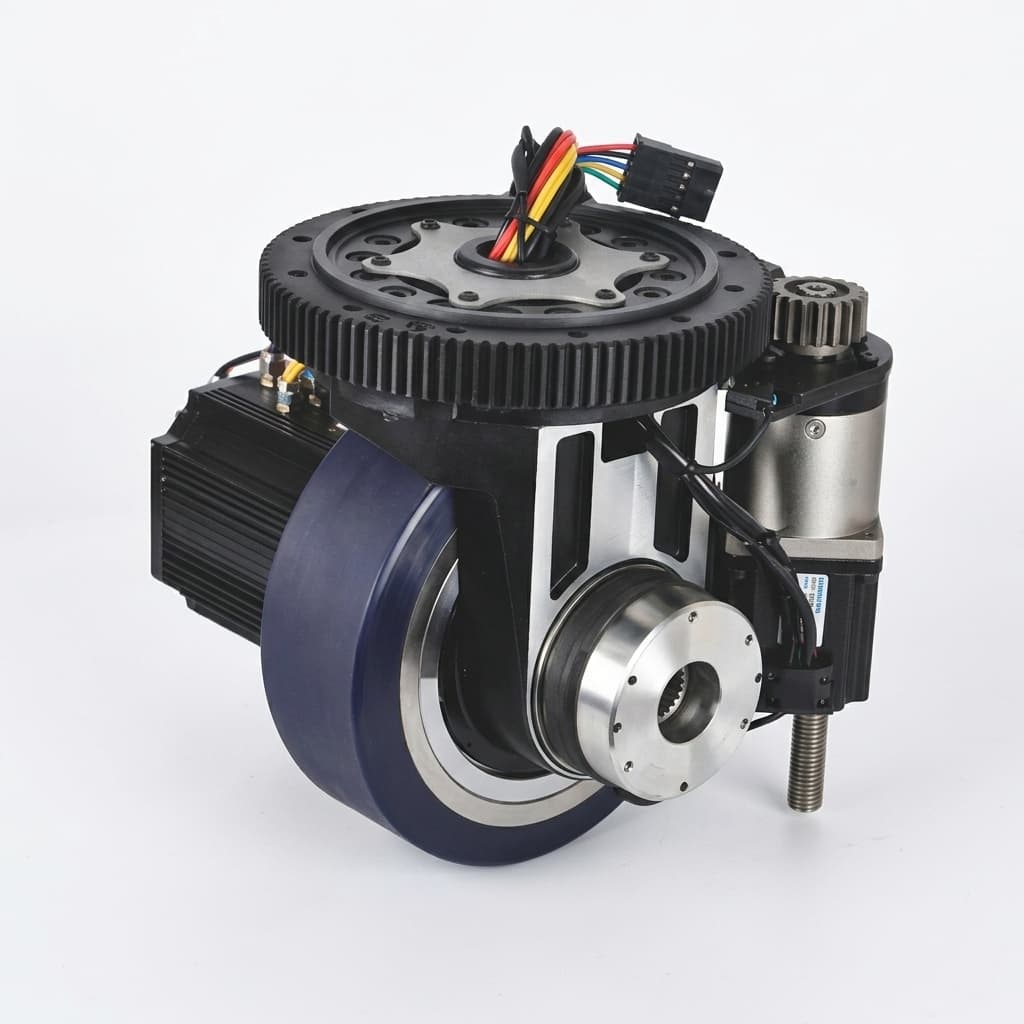
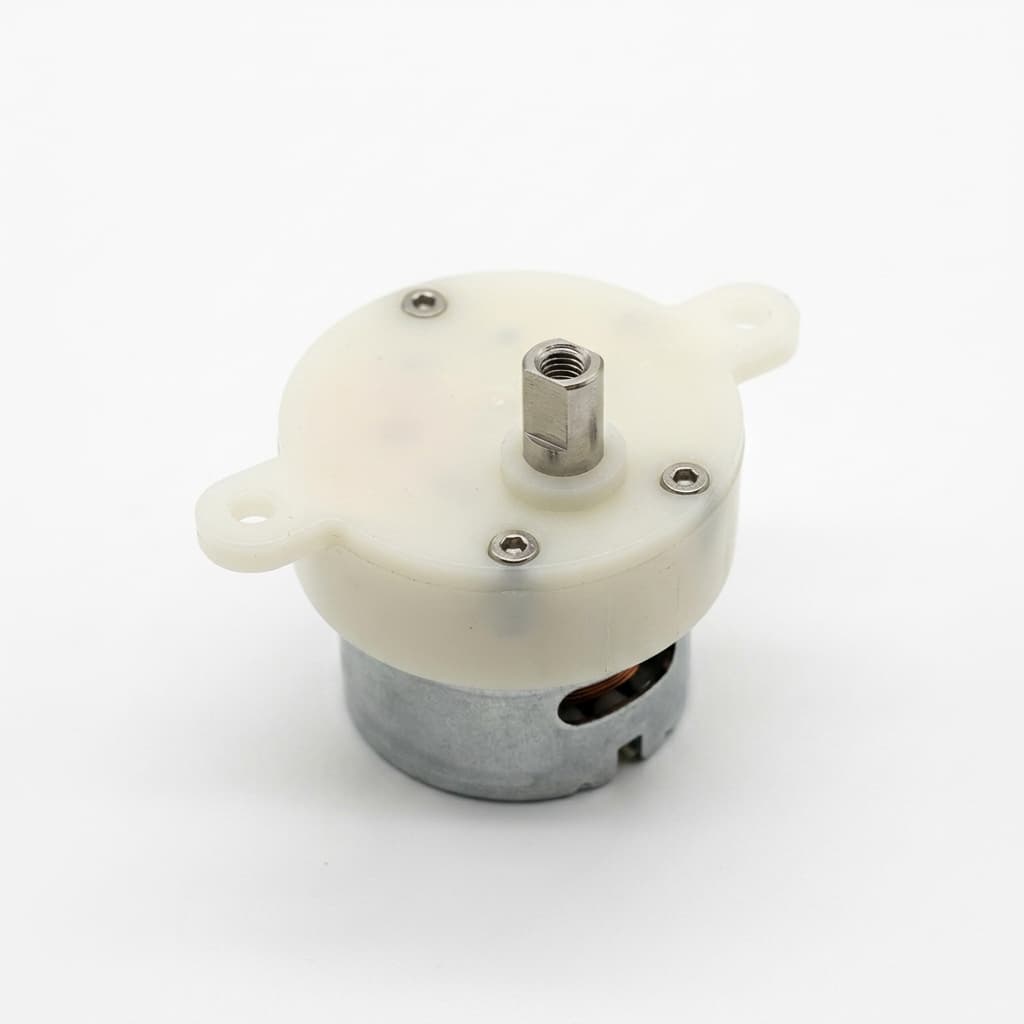
Quality issues in motor procurement are rarely random. Most are traceable to undefined checkpoints, missing tolerance ownership, or weak release criteria.
Use this checklist to standardize quality control before scale-up.
Parent guide: How to Source Planetary Gear Motors from China
QC flow overview
Divide control into 5 phases:
- Pre-production freeze.
- Incoming material inspection.
- In-process assembly control.
- Final performance validation.
- Pre-shipment release check.
1) Pre-production freeze
Must-have release items
- Approved drawing revision and BOM revision.
- Critical-to-quality dimensions list.
- Test plan and report format confirmed.
- Nonconformance handling path defined.
- Labeling and traceability format defined.
If these are not frozen, do not start full production.
2) Incoming inspection checklist
| Area | What to verify | Why it matters |
|---|---|---|
| Gear components | Key dimensions, material cert alignment | Affects backlash and durability |
| Shaft and coupling parts | Fit tolerance and concentricity | Affects vibration and noise |
| Bearings | Model consistency and condition | Affects lifetime stability |
| Electrical parts | Connector type, cable spec, polarity | Prevents assembly mismatch |
| Housing parts | Mounting and sealing surfaces | Protects integration reliability |
Suggested AQL starter policy (example)
Use this as a starting point and align with your contract quality plan.
| Defect class | Suggested target |
|---|---|
| Critical defect | AQL 0 (not acceptable) |
| Major defect | AQL 0.65 |
| Minor defect | AQL 1.5 |
For early-stage suppliers, consider temporarily tighter major-defect criteria until process stability is demonstrated.
3) In-process control checklist
- Assembly torque values follow controlled work instruction.
- Gear mesh and lubrication consistency verified at defined intervals.
- Electrical continuity and insulation spot checks completed.
- Process records are traceable to lot/batch identity.
- Escalation is triggered for drift beyond control limits.
4) Final inspection baseline
| Test item | Typical method | Release condition |
|---|---|---|
| No-load speed | Controlled voltage test | Within agreed tolerance |
| Rated load behavior | Bench/load test | Stable output, no abnormal heat rise |
| Noise/vibration | Fixed fixture test | Within agreed project limits |
| Backlash | Fixture measurement | Meets specified range |
| Visual/assembly | Final appearance and marking check | No functional-impact defects |
Critical-to-quality (CTQ) threshold table template
Require supplier and buyer to co-sign this table before pilot release:
| CTQ item | Measurement method | Spec limit | Sampling frequency |
|---|---|---|---|
| Output speed at rated voltage | End-of-line bench test | Project-specific +/- tolerance | Per unit |
| Output torque at rated load | Load bench | Project-specific min value | Per batch |
| Backlash | Fixture and gauge | Project-specific max value | Per batch |
| Noise level | Fixed-distance acoustic test | Project-specific max dB | Per batch |
| Temperature rise | Endurance run | Project-specific max delta T | Per pilot lot |
5) Pre-shipment release checklist
- Final inspection report matches order part numbers and revision.
- Carton labels match invoice and packing list identifiers.
- Packaging protection (shock/moisture) verified.
- Shipment photos or release evidence archived.
- Contact owner for in-transit issue handling confirmed.
Red flags before shipment
- Test report has pass/fail only, no raw values.
- Part number on carton does not map cleanly to drawing revision.
- Packaging method changed without buyer confirmation.
- Shipment split changed with no updated planning notice.
- Nonconformance disposition is undocumented.
Escalation trigger matrix (recommended)
| Trigger | Immediate action | Release decision |
|---|---|---|
| Any critical defect found | Stop shipment, open 8D | Block release |
| Major defect trend above agreed threshold | Contain affected lots + re-inspect | Hold release until containment verified |
| Test-report data missing for CTQ items | Request full raw data and retest sample | Hold release |
| Label/doc mismatch on shipping set | Correct docs and relabel before dispatch | Block release until corrected |
Recommended buyer-side sampling policy
For early-stage suppliers, use tighter receiving verification until process stability is proven.
| Supplier maturity | Suggested buyer approach |
|---|---|
| New supplier / new part | Enhanced receiving checks and lot-level traceability review |
| Stable recurring supplier | Risk-based sampling with periodic process audit |
FAQ
Should QC criteria be in RFQ or only in PO?
Start in RFQ, then formalize in PO and quality agreement. Waiting until PO is usually too late.
What is the minimum report we should request for release?
A report tied to lot identity with measured values for key performance criteria and clear pass/fail interpretation.
How do we connect QC with shipping handoff?
Use unified identifiers across test report, packing list, and labels so any field issue can trace back quickly.
Start inquiry
Next reading: